

Schie Health
Supporting Movement, Voice, & Beauty
at Every Stage of Life.
About us
Schie Health is where science meets soul.
Our work blends evidence-based therapies with deeply personalized care—speech, craniosacral, myofunctional therapy, and lactation support—designed around your body, your nervous system, and your life. Whether you’re navigating healing, parenthood, or simply craving more comfort in your body, we’re here for your whole self. Real results. Never one-size-fits-all.
-
![Founder of the Clinic]()
Leah, SLP, IBCLC
SPEECH PATHOLOGIST
LACTATION CONSULTANT
FOUNDER
-
![Speech Pathologist & Certified Myofunctional Therapist A]()
Angela, SLP, CMT
SPEECH PATHOLOGIST
CERTIFIED MYOFUNCTIONAL THERAPIST
-
![]()
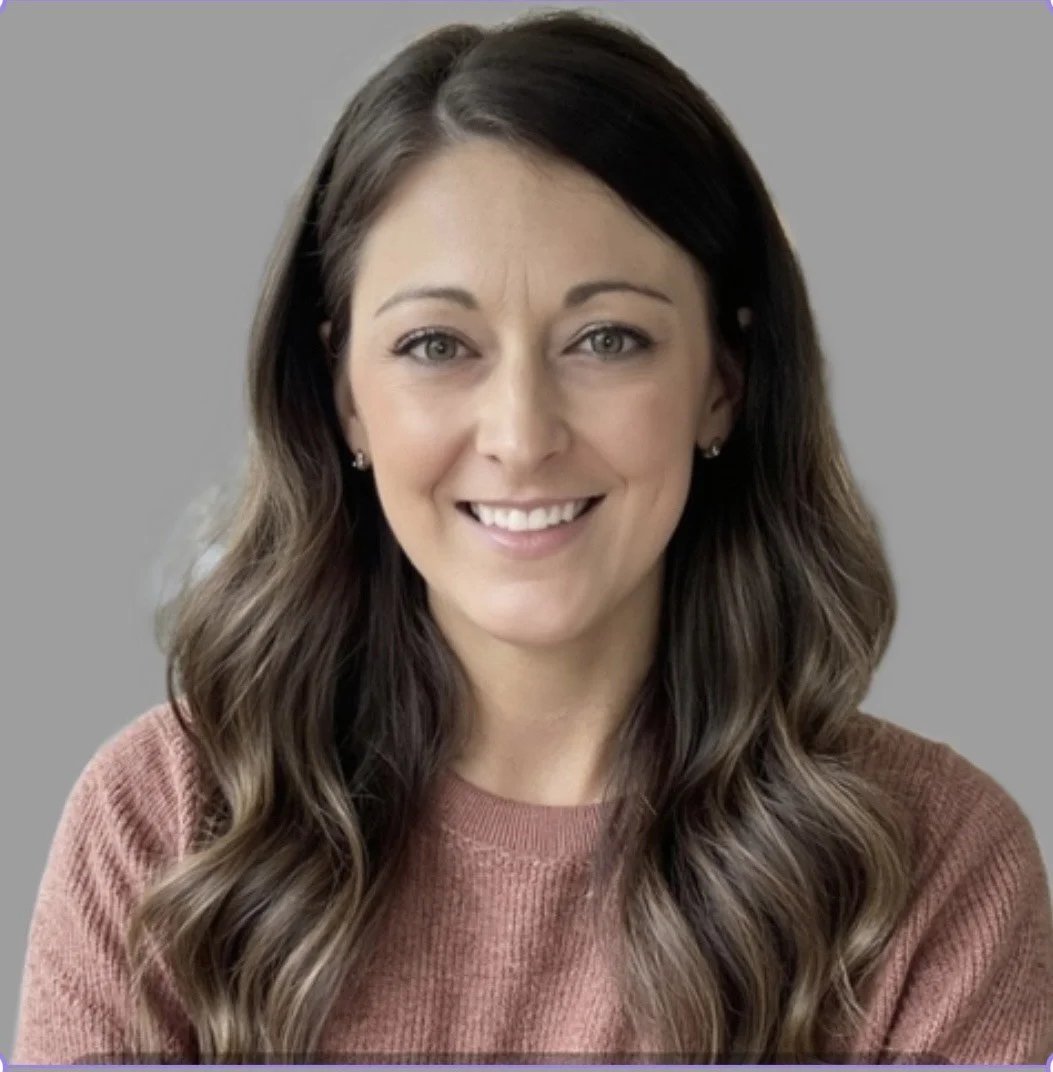
LeAnne, SLP
SPEECH PATHOLOGIST
-
![]()
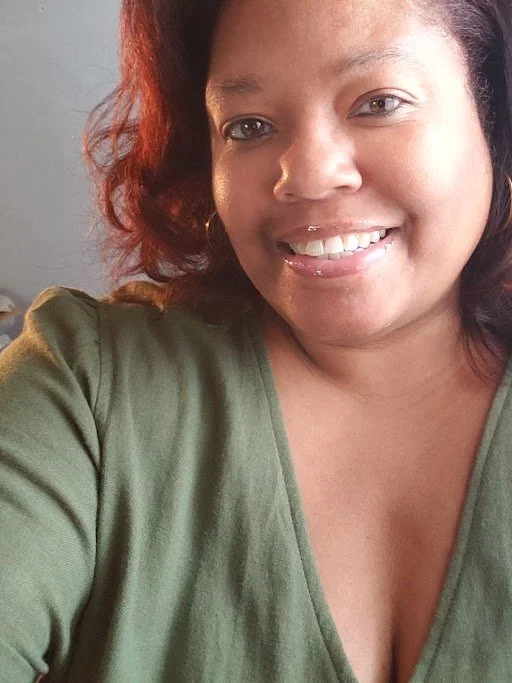
Tequita, SLP
SPEECH PATHOLOGIST
-
![]()
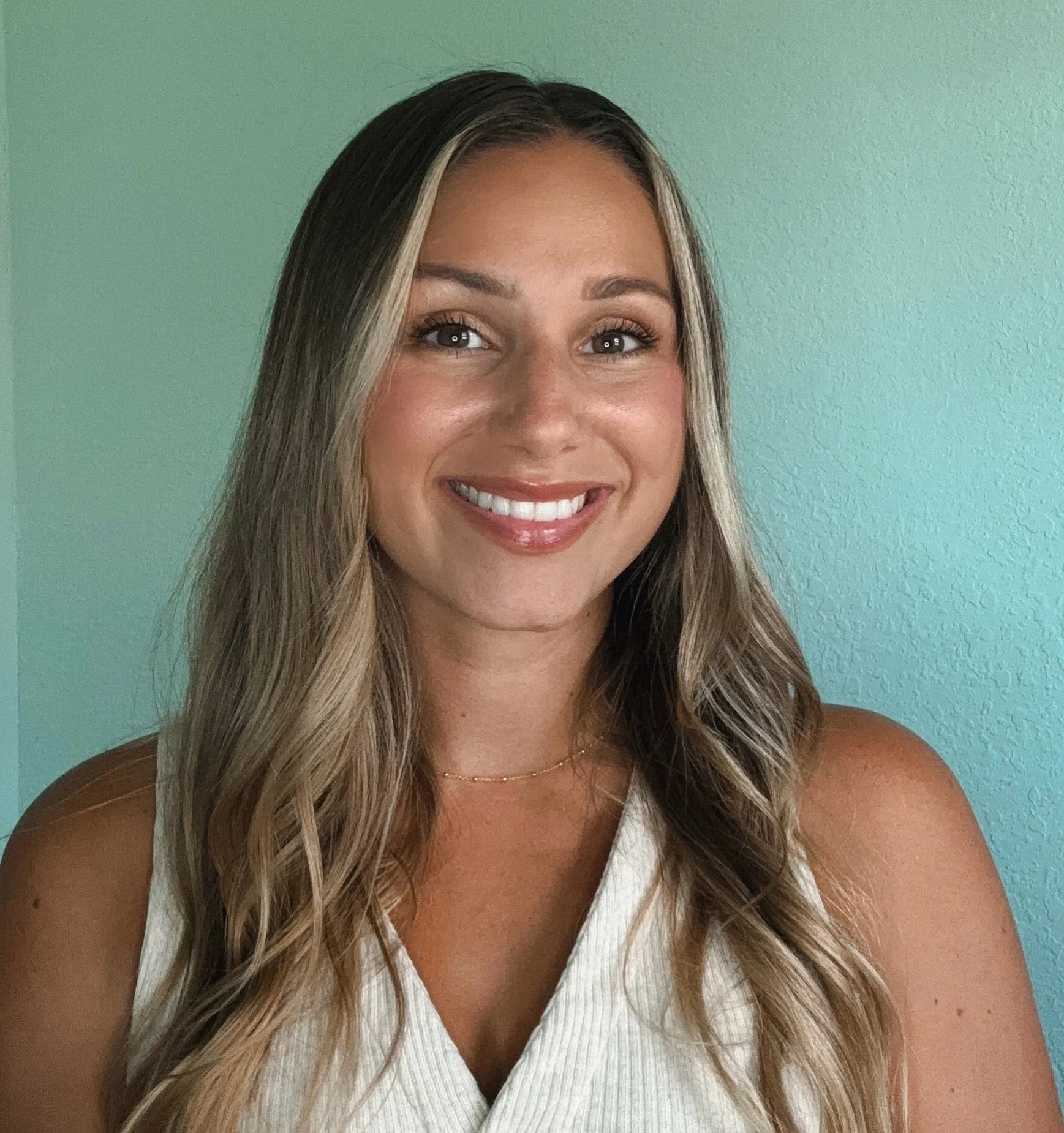
Kasie, SLP, CLC
SPEECH PATHOLOGIST
LACTATION COUNSELOR
-
![]()
Gina, IBCLC
LACTATION CONSULTANT
-
![Physical Therapist]()
Peggy, PT
PHYSICAL THERAPIST
-
![Office Manager H]()
Harley, BSN, RN
OFFICE MANAGER
-
![Medical Receptionist]()
Tracey
RECEPTIONIST
-
![Receptionist]()
Monica
RECEPTIONIST






Our Services
Lactation
-
Prenatal Lactation Support at Schie Health helps families prepare for feeding before baby arrives. These sessions focus on education, planning, and individualized guidance to support breastfeeding, bottle-feeding, or combination feeding goals.
Topics may include milk supply expectations, latch fundamentals, pumping preparation, anatomical considerations, and planning for medical or feeding risk factors. Prenatal support empowers families to begin feeding with confidence and clarity.
-
Postpartum Lactation Support addresses feeding challenges that arise after birth and during early infancy. Care is focused on supporting both infant feeding skills and the physical and emotional well-being of the birthing parent.
Sessions may address latch difficulties, nipple pain, milk supply concerns, infant weight gain, reflux, tongue tie–related challenges, and feeding-related stress. Support is hands-on, collaborative, and tailored to each family’s unique needs.
-
Pumping & Equipment Support is available for families who are exclusively pumping, combination feeding, or returning to work. These sessions focus on making pumping more effective, comfortable, and sustainable while ensuring equipment is properly selected and fitted.
Support may include flange fitting, pump selection and setup, wearable and traditional pump education, schedule optimization, milk supply support, and troubleshooting common pumping or equipment-related challenges to help families meet their feeding goals with confidence.
Therapies
-
Myofunctional Therapy is a specialized therapeutic approach that focuses on the muscles of the face, mouth, tongue, and throat to support optimal breathing, swallowing, speech, and overall function. At Schie Health, myofunctional therapy is used to retrain muscle patterns that may contribute to issues such as mouth breathing, tongue thrust, TMJ discomfort, facial tension, sleep-disordered breathing, and postural imbalance.
Through gentle exercises, neuromuscular re-education, and personalized guidance, myofunctional therapy helps restore balance and coordination within the orofacial system. This work supports not only physical function but also nervous system regulation and improved awareness of habitual patterns that affect daily life.
Clients of all ages may benefit from myofunctional therapy, including children, teens, and adults seeking improved airway health, reduced tension, clearer speech patterns, or enhanced facial function. Therapy plans are individualized and may be integrated with speech therapy, physical therapy, craniosacral work, or other wellness services to support whole-body alignment.
Functional. Foundational. Transformative.
-
Adult Voice Therapy at Schie Health supports individuals experiencing voice strain, vocal fatigue, hoarseness, discomfort with speaking, or difficulty using their voice efficiently and comfortably. This specialized therapy focuses on improving vocal function by addressing breath coordination, muscle balance, posture, and healthy voice use.
Treatment may include vocal efficiency training, breath support strategies, gentle muscle release as appropriate, and neuromuscular re-education to reduce strain and promote ease. Therapy is personalized and grounded in evidence-based practice, with an emphasis on sustainable voice use for daily communication and professional demands.
This service is well-suited for adults who use their voice extensively for work, experience chronic tension or fatigue with speaking, are recovering from vocal injury, or want to improve vocal clarity, endurance, and confidence.
Adult Voice Therapy may be offered as a stand-alone service or integrated with other supportive therapies to promote whole-body coordination and long-term vocal health.
Efficient. Supportive. Sustainable.
-
Pediatric Speech Therapy at Schie Health supports children in developing clear communication, confident expression, and strong foundational skills for learning and connection. Our licensed speech-language pathologists work with infants, toddlers, children, and adolescents to address speech sound development, language delays, feeding and oral-motor challenges, voice concerns, and social communication skills.
Therapy is individualized, play-based, and developmentally appropriate—meeting each child where they are while gently guiding progress through evidence-based techniques. We recognize that communication is deeply connected to the body, nervous system, and emotional well-being, and we take a holistic approach that considers posture, breathing, oral function, and sensory regulation when appropriate.
Families are an essential part of the therapeutic process. Caregivers receive education, tools, and strategies to support carryover at home, helping children build skills that translate into everyday confidence at school, at home, and in social settings.
Our goal is not only to improve speech and language skills, but to help each child feel heard, understood, and empowered to communicate in their own unique way.
Supportive. Evidence-based. Child-centered.
-
Feeding and Swallow Therapy at Schie Health supports safe, efficient, and comfortable eating and drinking across the lifespan. Our licensed speech-language pathologists work with infants, children, and adults experiencing feeding difficulties, swallowing challenges, or discomfort related to oral intake.
Therapy may address concerns such as difficulty chewing or swallowing, choking or coughing with meals, picky or restricted eating, oral-motor weakness or incoordination, sensory-based feeding challenges, bottle or breastfeeding difficulties, and transitions to new textures. Care is individualized and grounded in evidence-based practice, with attention to the oral, pharyngeal, respiratory, and postural systems involved in feeding.
We take a supportive, family-centered approach—recognizing that feeding is both a physical process and an emotional experience. Education and practical strategies are provided to caregivers and clients to promote confidence, safety, and positive mealtime experiences.
Feeding & Swallow Therapy may be offered as a stand-alone service or integrated with lactation consulting, myofunctional therapy, pediatric speech therapy, or other supportive services to promote whole-person wellness.
Safe. Supportive. Function-focused.
Wellness
-
Using gentle, sustained pressure and targeted trigger point Myofascial Release (MFR)—combined with face yoga, breathwork, and therapeutic vocal exercises—the Face & Fascia approach helps “melt” restrictions in the face, mouth, throat, rib cage, and upper chest. This integrated method restores the fluid movement, coordination, and breath support required for clear speech, efficient swallowing, and comfortable voice use.
The Jaw & Mouth
We release tension in the masseter, temporalis, and floor-of-mouth muscles to improve jaw opening, reduce TMJ discomfort, and increase tongue mobility. Face yoga and oral motor exercises are layered in to retrain balanced muscle activation, improve facial symmetry, and support clearer articulation during daily speech and eating.
The Neck & Larynx
We focus on the muscles surrounding the larynx (“voice box”) and upper airway. Manual release, paired with gentle vocal exercises and breath-led voicing, helps reduce excess tension, lower a strained or elevated pitch, ease the sensation of a “lump in the throat,” and promote safer, smoother swallowing.
The Shoulders, Chest & Breath
Tension in the shoulders and upper chest often “pulls” on the throat and voice. By releasing the chest wall and cervical fascia and integrating breathwork for rib cage expansion and diaphragmatic support, we create a stable foundation for efficient breathing, improved vocal endurance, and greater vocal power without strain.
The Face & Fascia Program is a highly effective tool for patients experiencing:
Muscle Tension Dysphonia (MTD):
A strained, tight, or easily fatigued voice caused by inefficient muscle use. Manual release combined with breathwork and vocal exercises supports more effortless, sustainable voicing.Headache & Migraine Relief:
Chronic tension in the neck, scalp, jaw, and face often contributes to tension headaches or migraine frequency. Releasing fascial restrictions at the base of the skull, temples, and jaw—along with guided facial relaxation—can significantly reduce pressure and pain.TMJ Disorders:
Jaw pain, clicking, or limited movement affecting chewing, speaking, or facial comfort. Targeted MFR and face yoga help restore mobility, coordination, and comfort.Dysphagia:
Difficulty or discomfort with swallowing, or the sensation of something being “stuck” in the throat. Coordinating manual therapy with breath and swallow-supportive exercises improves safety and ease.Post-Surgical or Radiation Tightness:
Management of scar tissue, fibrosis, or “woody” neck stiffness following medical procedures, with a focus on restoring mobility, breath capacity, and functional voice and swallow patterns. -
Craniosacral Fascial Therapy (CFT), based on the Gillespie Method, is a gentle, hands-on approach that works with the craniosacral system and the body-wide fascial network to release restrictions that affect posture, movement, breath, and nervous system regulation. Using light, sustained touch, CFT helps unwind patterns of tension stored in the fascia—often held since early development, injury, or stress.
The Head, Face & Jaw
We address fascial restrictions throughout the cranium, face, and jaw that may contribute to headaches, facial tension, TMJ symptoms, and oral motor inefficiency. By restoring balanced fascial glide, we support improved symmetry, ease of movement, and more efficient speech, chewing, and swallowing patterns.
The Spine & Dural System
CFT focuses on the dura mater—the connective tissue sheath surrounding the brain and spinal cord. Restrictions in this system can affect posture, coordination, and pain patterns. Gentle release along the spine helps improve nervous system communication and overall body alignment.
The Pelvis, Diaphragms & Whole-Body Fascia
The Gillespie Method emphasizes the continuity of fascia from head to toe. By addressing restrictions in key diaphragms (cranial, thoracic, pelvic), we support improved balance, gait, breath coordination, and global movement efficiency.
CFT (Gillespie) is especially helpful for individuals experiencing:
Chronic pain or postural imbalance
Headaches, migraines, or facial tension
TMJ dysfunction and jaw asymmetry
Developmental movement or coordination challenges
Nervous system dysregulation, stress, or sensory overload
Recovery following injury, birth trauma, or prolonged medical intervention
Craniosacral Therapy (CST), developed by Dr. John Upledger, is a light-touch, non-invasive therapy that works with the craniosacral system—the membranes and cerebrospinal fluid surrounding the brain and spinal cord. By gently assessing and supporting the body’s natural craniosacral rhythm, CST promotes deep relaxation, nervous system regulation, and the body’s innate capacity for self-healing.
The Craniosacral Rhythm & Nervous System
CST focuses on normalizing the rhythm and mobility of the cranial bones, sacrum, and central nervous system. Supporting this system helps calm the stress response, improve sleep quality, and enhance overall resilience.
The Head, Neck & Sacrum
Restrictions in the head, neck, and sacrum can contribute to pain, tension, and neurological symptoms. Gentle releases in these areas may reduce headaches, neck discomfort, and the sense of compression or pressure in the body.
The Mind–Body Connection
CST often supports emotional and somatic release. As the nervous system shifts into a parasympathetic (rest-and-digest) state, clients may experience improved emotional regulation, mental clarity, and a greater sense of ease and safety in their body.
CST (Upledger) is especially helpful for individuals experiencing:
Stress, anxiety, or nervous system overwhelm
Headaches, migraines, or chronic neck pain
Sleep disturbances or fatigue
Post-concussion symptoms or neurological sensitivity
Chronic pain without a clear structural cause
Support during recovery from illness, injury, or medical procedures
-
Reiki is a calming, hands-on or hands-off therapy designed to help the body shift out of stress and into a state of rest and recovery. From a medical standpoint, Reiki supports relaxation of the nervous system, which can positively impact pain, muscle tension, sleep quality, and emotional regulation.
Many patients experience Reiki as deeply calming, making it especially helpful for individuals dealing with chronic pain, anxiety, fatigue, or high stress. By supporting the body’s natural relaxation response, Reiki may enhance the effectiveness of other medical and therapeutic interventions.
Reiki is offered as a complementary service and does not replace medical diagnosis or treatment.
-
MEND Microcurrent Therapy is a gentle, non-invasive wellness service that uses low-level electrical currents—similar to the body’s natural bioelectric signals—to support tissue repair, reduce pain, and restore balanced muscle and nervous system function. At Schie Health, MEND is used to help calm overactive muscles, improve circulation, and encourage the body’s natural healing processes.
In addition to supporting physical relief, MEND Microcurrent may help ease emotional pain held in the body, particularly in areas where stress, trauma, or chronic tension are stored. By supporting nervous system regulation, this therapy can create a sense of calm, safety, and release—often described as both physically and emotionally soothing.
This service is especially beneficial for clients experiencing facial tension, TMJ discomfort, chronic muscle tightness, nerve sensitivity, postural strain, or stress-related holding patterns. Many clients report feeling deeply relaxed, grounded, and more at ease following sessions.
MEND Microcurrent is frequently integrated with hands-on bodywork, craniosacral therapy, or myofunctional principles to support whole-person wellness. Sessions are personalized and may be offered as a stand-alone service or as part of an integrative care experience.
Gentle. Restorative. Nervous-system supportive.
-
Infant Development Coaching with Tummy Time! Method® (TT!M) at Schie Health offers gentle, evidence-informed support during your baby’s first year of life, integrating developmental science with a whole-body, wellness-based approach. Care is designed to support motor development, feeding foundations, sensory integration, and early communication while honoring each infant’s unique physiology, nervous system, and developmental timeline.
Sessions are rooted in an understanding of functional movement patterns, reflex integration, and nervous system regulation, with practical, hands-on guidance caregivers can confidently carry into daily routines. Parents receive education, reassurance, and individualized strategies to support body awareness, emotional regulation, and optimal developmental pathways in a calm, nurturing environment.
Tummy Time! Method® (TT!M) Integration
As a core component of Infant Development Coaching, Tummy Time! Method® (TT!M) provides a structured, play-based approach to positioning that helps babies feel comfortable and confident on their tummies. This method supports head control, postural stability, coordination, and sensory integration, building the foundational strength needed for rolling, sitting, crawling, and beyond.
Schie Health is proud to be the only provider offering Tummy Time! Method® (TT!M) classes in the Hampton Roads area. Sessions are led by trained clinicians and are appropriate for infants at every stage—including those with feeding challenges, reflux, torticollis, prematurity, or delayed motor milestones.
Parent-Empowering Support
Infant Development Coaching with TT!M bridges medical knowledge and holistic care. Families receive clear, actionable tools and positioning strategies that fit naturally into everyday life, empowering caregivers to support development with confidence at home.
Private and group sessions available.
Developmentally supportive. Evidence-informed. Parent-empowering.